
Hot Keywords:
- All
- Product Name
- Product Keyword
- Product Model
- Product Summary
- Product Description
- Multi Field Search

With the continuous development of high-speed railways, intercity railways, and mountainous railway projects, the number and length of railway tunnels are increasing. Compared with conventional above-ground railway sections, tunnels are relatively enclosed spaces where airflow can be affected by tunnel length, cross-sectional structure, train operation, and construction conditions. Therefore, a well-designed railway tunnel ventilation system solution is important not only for maintaining air quality during construction but also for supporting long-term tunnel operation and emergency smoke control.
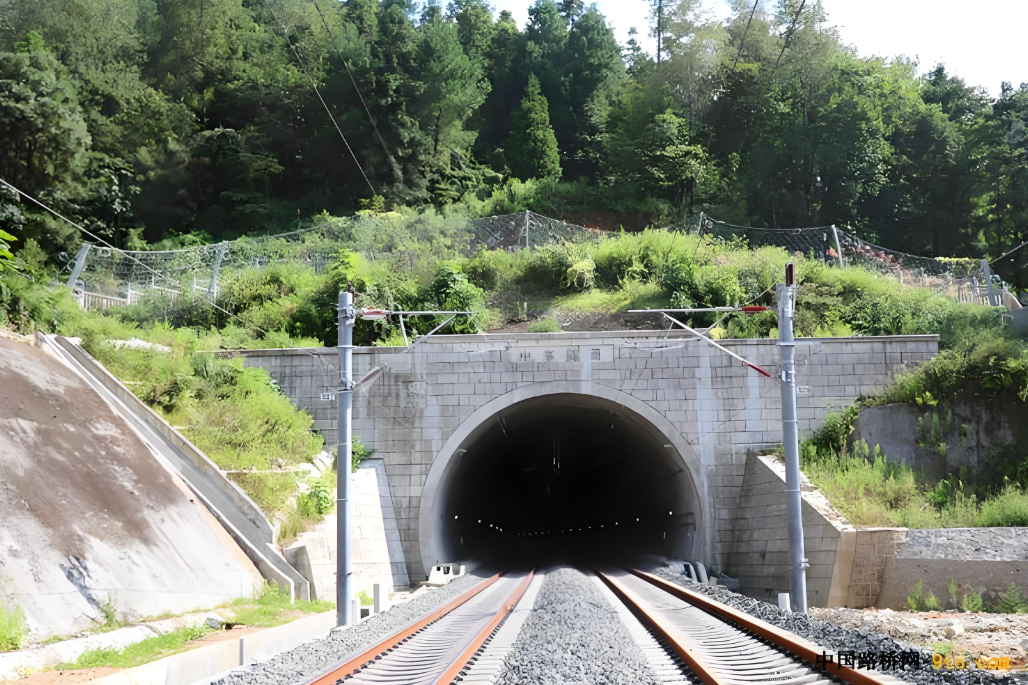
Railway tunnels are relatively enclosed environments, particularly in the case of long tunnels where natural air exchange is limited. During construction, activities such as blasting, drilling, shotcrete application, and machinery operation can generate dust, fumes, and other pollutants.
A properly designed ventilation system can continuously supply fresh air to construction areas while removing dust-laden air, construction fumes, and equipment exhaust. This helps create a more stable and comfortable working environment for construction personnel.
As railway tunnels become longer, natural ventilation alone may not be sufficient. Long-distance tunnel ventilation requires comprehensive consideration of fan performance, airflow volume, air pressure, duct length, and tunnel cross-sectional dimensions.
A properly designed ventilation system can reduce pressure losses during air transportation and help deliver fresh air more effectively to distant construction or working areas.
Fans are an important source of power for railway tunnel ventilation systems. During construction, the appropriate fan should be selected according to tunnel length, cross-sectional dimensions, and the pollutants generated by construction equipment and processes.
Axial fans can provide high airflow while maintaining a relatively compact structure. They can be combined with flexible ventilation ducts to deliver air over relatively long distances.
During railway tunnel construction, the working face continuously moves forward as the project progresses, requiring ventilation equipment to be repositioned accordingly. Flexible ventilation ducts are relatively lightweight and easy to install, allowing them to be extended, relocated, and removed according to the construction distance.
For long-distance air supply or exhaust applications, duct abrasion resistance, tensile strength, sealing performance, and connection methods can all affect overall ventilation efficiency. Therefore, the appropriate ventilation duct specifications should be selected according to fan performance and actual site conditions.
Modern railway tunnel ventilation systems increasingly emphasize environmental monitoring. Relevant monitoring equipment can be used to track changes in airflow, temperature, dust levels, and other environmental parameters.
When monitoring data indicates abnormal conditions, fan operation can be adjusted or the duct system can be inspected promptly, helping improve overall ventilation management efficiency.
| Application Scenario | Main Ventilation Requirements | Recommended Ventilation Method |
|---|---|---|
| Tunnel Excavation | Supply fresh air and remove dust | Axial fan + flexible air supply duct |
| After Blasting | Quickly remove fumes and hazardous gases | Forced air supply + mechanical exhaust |
| Long-Distance Tunnel | Maintain adequate airflow at distant areas | High-volume fan + long-distance duct |
| Equipment Operating Area | Remove machinery exhaust and heat | Local exhaust ventilation |
| High-Dust Area | Control dust dispersion | Air supply + exhaust + dust removal |
| Tunnel Operation | Air circulation and emergency smoke exhaust | Mechanical ventilation + monitoring sys |
Ventilation requirements vary between construction stages and operating environments. Therefore, railway tunnel ventilation systems should be designed according to the specific conditions of each project.
Tunnel length is an important factor in ventilation system design. Short tunnels may use relatively simple mechanical ventilation, while long railway tunnels require more comprehensive consideration of air supply, exhaust, and air circulation.
During construction, duct length and fan position should also be adjusted according to excavation progress to prevent insufficient airflow at the tunnel face caused by excessive ventilation distance.
Air leakage in the duct system directly affects the actual airflow delivered to the working area. During long-distance ventilation, loose duct connections or damaged duct sections can result in significant air loss.
Therefore, the duct surface, connections, and suspension system should be inspected regularly during construction. Damaged sections and leakage points should be repaired promptly.
A railway tunnel ventilation system needs to meet safety requirements while also controlling operating costs. A fan with insufficient power may fail to provide adequate ventilation, while excessive fan capacity can result in unnecessary energy consumption.
By properly matching the fan, duct, and ventilation distance, and adjusting equipment operation according to actual construction conditions, operators can achieve a better balance between ventilation performance and energy efficiency.
Railway tunnel construction environments often contain dust, gravel, and mechanical friction. Therefore, ventilation ducts should have good abrasion resistance. For long-term applications, material strength and resistance to aging should also be considered.
Different ventilation methods generate different pressure conditions. Air supply and negative-pressure exhaust systems also have different requirements for duct structures. When selecting a duct, factors such as fan pressure, airflow volume, and the intended application should be considered.
Railway tunnel construction sites often have limited space, so ventilation products should be easy to transport, install, and relocate. Flexible ventilation ducts can be folded for transportation and connected according to tunnel length, making them a practical and adaptable option for construction ventilation.
Railway tunnel ventilation is a comprehensive engineering system involving ventilation equipment, ducts, airflow management, and environmental monitoring. Whether during tunnel construction or long-term operation, a suitable railway tunnel ventilation system solution should be developed based on tunnel length, construction methods, pollutant types, and spatial conditions.
By combining efficient fans, reliable flexible ventilation ducts, and scientific ventilation management, tunnel air quality can be improved and construction efficiency enhanced. These solutions provide reliable ventilation support for safer railway tunnel construction and stable long-term operation.
