
Hot Keywords:
- All
- Product Name
- Product Keyword
- Product Model
- Product Summary
- Product Description
- Multi Field Search

After a disaster occurs, rescue sites may quickly become filled with smoke, dust, hazardous gases, and stale air. Fires, tunnel accidents, mine disasters, earthquakes, and building collapses can all create difficult ventilation conditions. In enclosed or underground areas, poor air circulation can directly affect the safety and working efficiency of rescue teams.Permanent ventilation systems may also be damaged or become difficult to access after an accident. Under these circumstances, a temporary ventilation system that can be transported and installed quickly becomes an important part of emergency rescue operations.Flexible ventilation ducts offer a practical way to establish temporary airflow routes. They are lightweight, flexible, easy to transport, and suitable for use with ventilation fans. NSTARP flexible ventilation ducts are designed for applications including tunnels, mines, emergency ventilation, and other demanding environments, providing a flexible solution for temporary air delivery and exhaust.
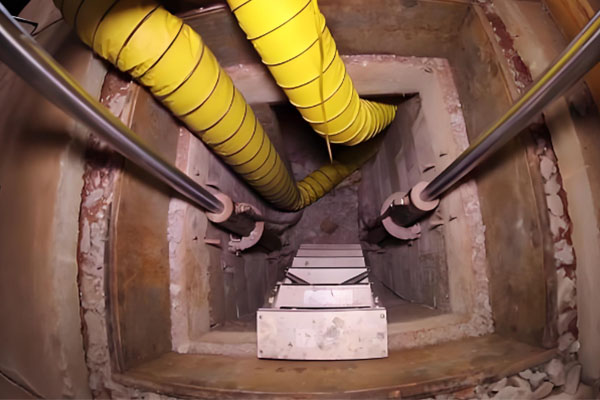
Smoke, dust, and contaminated air can accumulate rapidly after a fire, collapse, or underground accident. In enclosed spaces, natural air exchange is often insufficient to remove pollutants or supply enough fresh air.
A temporary ventilation system can connect flexible ducts to ventilation fans and deliver fresh air to designated work areas. Depending on the site requirements, the same system can also be configured for exhaust ventilation to remove smoke and contaminated air.
Disasters can damage existing ventilation equipment, power systems, or fixed ductwork. Repairing or rebuilding a permanent ventilation system may take considerable time, while rescue operations often require immediate action.
Flexible ventilation ducts can be deployed along temporary routes and connected to suitable fans. Their flexible structure allows the ventilation layout to be adjusted as rescue conditions change, making them particularly useful for emergency applications.
In tunnels, underground spaces, mines, and collapsed structures, rescue teams may need to deliver fresh air to areas that are difficult to access.
Flexible ventilation ducts can be connected to air supply fans and installed along the available route. Their flexible construction allows them to follow curved or irregular paths while maintaining an effective airflow passage.
NSTARP flexible ventilation ducts are manufactured using high-strength polyester fabric with a PVC coating. The flexible structure makes them suitable for installation in complicated underground layouts and helps simplify temporary ventilation deployment.
Fire and other disasters can produce large amounts of smoke and airborne contaminants. Removing this polluted air is an important part of managing the working environment during rescue operations.
Flexible ducts can be used with exhaust fans to create temporary exhaust routes. In long and narrow spaces such as tunnels, the location of fans, ducts, and exhaust outlets should be planned according to the airflow requirements and site conditions.
Rescue equipment often needs to be transported manually or moved between different work areas. Heavy and rigid ventilation components can make deployment more difficult.
Flexible ventilation ducts can be rolled or folded for transportation and storage. Once at the rescue site, they can be quickly unfolded and installed along the required route. This makes them suitable for emergency situations where installation time is limited.
Disaster environments may contain sharp debris, standing water, high humidity, dust, and other harsh conditions. Ventilation ducts used in these areas need to withstand mechanical wear and environmental exposure.
NSTARP flexible ventilation ducts use PVC-coated polyester fabric and can provide properties such as wear resistance, tear resistance, waterproofing, moisture resistance, and corrosion resistance. These features make them suitable for demanding temporary ventilation applications.
Some rescue environments may involve combustible gases, dust, or fire hazards. In these applications, the material properties of the ventilation duct should be considered carefully.
NSTARP flexible ventilation ducts can be configured with flame-retardant and anti-static properties for specific applications. These options are particularly useful for underground and mining environments where additional safety requirements may apply.
| Disaster Scenario | Main Ventilation Requirement | Flexible Duct Application |
|---|---|---|
| Building Fire | Smoke removal and air circulation | Connect with exhaust fans for temporary smoke extraction |
| Tunnel Accident | Fresh air supply and contaminated air removal | Deploy ducts along the tunnel to establish temporary airflow |
| Mine Disaster | Fresh air delivery and exhaust ventilation | Work with local ventilation equipment |
| Earthquake or Building Collapse | Fresh air supply to confined areas | Deliver fresh air to rescue and working zones |
| Underground Space Accident | Air circulation and smoke control | Establish temporary supply or exhaust ventilation |
| Temporary Rescue Camp | Air exchange and environmental improvement | Connect ducts to fans for temporary ventilation |
Before installation, the rescue team should evaluate the structure of the site, available access routes, obstacles, and the location of personnel. Unnecessary bends, sharp turns, and compressed sections should be minimized because they can increase airflow resistance.
A well-planned duct route can help maintain more stable airflow while making the system easier to install and reposition.
Air volume requirements, ventilation distance, fan performance, and system resistance all affect the selection of flexible ventilation duct specifications.
For long-distance ventilation, the duct diameter and length should be matched with the fan's airflow and pressure performance. Selecting the duct based on diameter alone may not provide the desired ventilation performance.
Rescue sites can involve vibration, strong airflow, moving equipment, and frequent personnel movement. Flexible ducts should therefore be properly secured after installation.
Reliable connections can also help reduce air leakage. NSTARP flexible ventilation ducts can use connection methods such as steel rings, zippers, or hook-and-loop fasteners, depending on the product configuration and application requirements.
Disaster rescue ventilation requires more than simply moving air. Equipment must also be easy to transport, quick to deploy, flexible enough for changing site conditions, and capable of operating in demanding environments.
NSTARP flexible ventilation ducts feature a lightweight and flexible design, with options for wear resistance, waterproofing, corrosion resistance, flame retardancy, and anti-static performance. They can be used in mining, tunneling, emergency ventilation, and other temporary airflow applications.
Compared with rigid ventilation structures, flexible ducts provide greater freedom when establishing temporary airflow routes. Rescue teams can adjust the duct layout according to changes in the working area, helping create a more practical temporary ventilation system.
Disaster rescue sites often present rapidly changing air quality, complicated structures, limited access, and damaged infrastructure. Permanent ventilation systems may not always be available when immediate action is required. Flexible ventilation ducts provide a practical option for temporary fresh-air supply, smoke extraction, and contaminated-air removal in tunnels, mines, underground spaces, and other emergency environments.For the best results, temporary ventilation systems should be designed according to the disaster type, site structure, required airflow, fan performance, duct length, and environmental conditions. Choosing the appropriate flexible ventilation duct configuration can help improve deployment efficiency and provide more reliable airflow support during critical rescue operations.
