
Hot Keywords:
- All
- Product Name
- Product Keyword
- Product Model
- Product Summary
- Product Description
- Multi Field Search
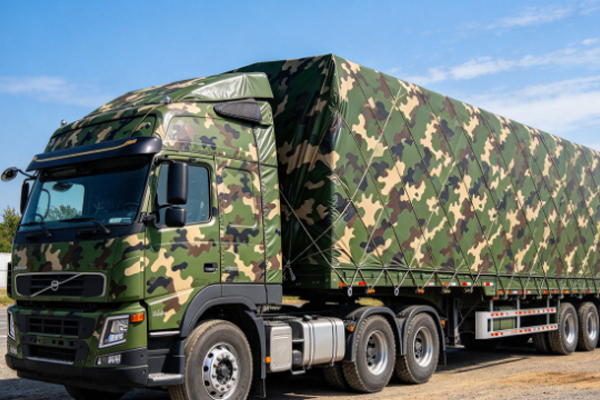
Cars, trucks, trailers, and agricultural vehicles parked outdoors are constantly exposed to sunlight, rain, and dust. Over time, these stored in the vehicle. Cheap plastic sheets may seem like an easy solution, but they can tear or start leaking after a short period of use. Camo Tarps offer a practical covering option with a distinctive outdoor look, but are they suitable for protecting vehicles? The answer depends on the material, waterproof performance, size, and fastening method. Choosing the right tarp can make everyday vehicle covering, outdoor parking, and temporary transport protection much easier.
Camo Tarps can be used for temporary coverage of cars, pickup trucks, cargo trucks, trailers, and agricultural vehicles. Their camouflage patterns suit outdoor work, camping, and equipment transport. However, different vehicles and environments require different tarp sizes and specifications.
Cars and Pickup Trucks: Suitable for short-term outdoor covering, helping keep rain, fallen leaves, and dust off the vehicle body. Check that no sand or grit is trapped between the tarp and paint, as wind-driven movement can cause fine scratches.
Cargo Trucks and Enclosed Trailers: Camo Tarps can cover cargo areas, roofs, or exposed sections to help keep out rain and dust. Allow enough extra material for secure fastening rather than measuring only the length and width of the cargo surface.
Agricultural Vehicles and Equipment: Tractors, small farm machines, and outdoor work vehicles can be covered while parked. A tarp can protect exposed components, equipment exteriors, and parts that should not be left in the rain.
Camper Vans and Outdoor Equipment Vehicles: At campsites, a tarp can provide temporary coverage for a roof or nearby equipment. With a suitable support frame, it can also create a simple sheltered area.
For vehicles that remain outdoors for extended periods, choose a tarp with good weather resistance and inspect the fastening points regularly. Standard Camo Tarps can meet many temporary covering needs, but not every specification is designed to withstand intense sunlight and strong winds over the long term.
A vehicle cover needs to do more than look good. Waterproofing, tear resistance, and secure fastening have a much greater impact on everyday use. A well-made Camo Tarp can provide practical coverage for vehicles and equipment that are frequently parked outdoors.
Practical Waterproof Protection: Tarps made with waterproof coatings or suitable outdoor materials help reduce water penetration. Check the product specifications for clearly stated waterproof performance rather than judging by how smooth the surface looks.
Abrasion and Tear Resistance: Vehicle corners, side mirrors, and protruding cargo areas can wear through a tarp. Products with strong fabric and reinforced edges are better suited to repeated installation and storage.
Sun and Dust Protection: A tarp blocks some direct sunlight and helps keep dust, leaves, and bird droppings off the vehicle body. Actual sun protection depends on the material, thickness, color, and construction, so a standard tarp should not automatically be treated as a dedicated thermal cover.
A Camouflage Pattern for Outdoor Use: Camo Tarps fit naturally into settings such as farms, campsites, outdoor work areas, and equipment transport environments.
Flexible Size Options: Different vehicle sizes call for different tarp lengths, widths, and thicknesses. Models with reinforced edges and metal grommets are generally easier to secure with ropes or straps.
Keep in mind that a waterproof tarp does not guarantee that a covered vehicle will remain completely dry. Water can still enter through edges, seams, or fastening points. During installation, avoid creating low spots where rainwater can collect.
Not all Camo Tarps offer the same service life. A low-priced product may need replacing quickly after heavy rain, strong winds, or prolonged exposure to sunlight. Before choosing a tarp, check the following details to make sure it suits the vehicle and intended use.
Check the Material and Thickness: PVC-coated tarps are often suitable for outdoor applications that require reliable waterproofing, while PE tarps are generally lighter and useful for some temporary covering needs. Thicker is not always better; consider weight, storage, and how often the tarp will be used.
Measure the Vehicle Carefully: Measure the length, width, and height of the area to be covered, allowing extra material for fastening. A tarp that is too small may leave parts of the vehicle exposed, while an oversized tarp can catch the wind.
Inspect the Grommets and Reinforced Edges: Reinforced hems and sturdy grommets help distribute tension from ropes and straps. These details are especially important when covering large vehicles or wide areas.
Confirm Outdoor Weather Resistance: If the vehicle stays in direct sunlight, check whether the tarp offers UV protection or other weather-resistant properties. A product labeled waterproof is not necessarily suitable for continuous sun exposure.
Consider Storage and Repeated Use: Vehicles that need frequent covering and uncovering benefit from a tarp that is reasonably lightweight, easy to fold, and resistant to edge damage. Remove dirt and grit, and allow the tarp to dry before folding it away.
Once you have selected the right tarp, secure it with suitable ropes or straps. Avoid pulling the grommets too tightly, and do not leave the tarp hanging loosely against the vehicle. The stronger the wind, the more important it is to check that every fastening point remains secure.
Camo Tarps can help block rain and sunlight, but improper use may cause problems. If sand or grit gets trapped between the tarp and the vehicle, wind can make the material rub against the paint repeatedly. Leaving a covered vehicle damp without sufficient airflow after rain can also keep moisture on the surface for too long. Before covering a vehicle, clean the contact areas and spread the tarp as evenly as possible, while making sure rainwater can drain away. When a vehicle is parked in a windy location or near a road, check for lifted corners that could flap against the body or create a safety hazard. For trucks and trailers covered during transport, make sure the tarp, straps, and fasteners are firmly secured. They must not block lights, license plates, mirrors, or the driver's view, and no loose edges should flap in the wind.
Camo Tarps are a practical option for everyday vehicle covering, especially for outdoor parking and temporary protection of agricultural vehicles, cargo trucks, and trailers. When choosing one, look beyond the camouflage pattern and price. Waterproof performance, material strength, dimensions, reinforced edges, and outdoor weather resistance all matter. For vehicles that need frequent covering and uncovering, a reasonably lightweight tarp with sturdy grommets is easier to handle. For vehicles parked outdoors for long periods, prioritize UV protection and weather resistance. We offer Camo Tarps in different specifications to suit various vehicle sizes and covering needs, helping provide more reliable protection and reduce the extra cost of frequent tarp replacement.
