
Hot Keywords:
- All
- Product Name
- Product Keyword
- Product Model
- Product Summary
- Product Description
- Multi Field Search
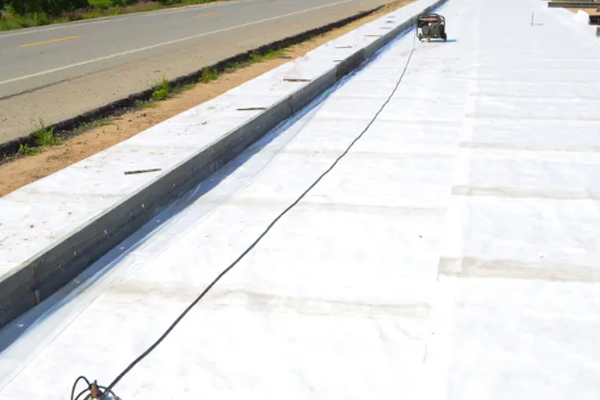
In construction projects, completing concrete pouring is only one stage of the entire process. The curing period after pouring also has a direct impact on the final quality of the project. Many construction teams focus more on pouring speed and material ratios but overlook the importance of protection during the curing stage. When concrete is exposed to strong winds, high temperatures, or rainfall for a long time, problems such as surface cracking and reduced strength may occur, increasing future repair costs. This is especially important in roads, bridges, factories, and large infrastructure projects. Choosing suitable concrete curing cover fabric can help create a more stable curing environment. PVC and Canvas tarpaulins, with their excellent waterproof, protective, and durable properties, have become common solutions for concrete curing protection in construction projects.
Concrete curing may seem like a simple step after construction, but it plays an important role in overall project quality. During the hardening process, concrete needs to maintain suitable moisture and temperature conditions to develop a stable internal structure. Without proper protection, external environmental factors can easily affect concrete performance. Especially for outdoor construction projects, weather conditions are difficult to control completely, so construction teams need to use covering materials to reduce external impacts and allow concrete to cure under more suitable conditions.
When concrete is newly poured, the internal moisture is still involved in the hydration process. If surface moisture evaporates too quickly due to sunlight, dry air, or strong winds, shrinkage and cracks may occur.
Reduce early-stage surface cracking;
Maintain proper moisture levels during curing;
Improve concrete structural stability;
Lower future repair requirements.
Using curing cover fabric can slow down moisture evaporation and help concrete maintain more stable curing conditions. For large-scale concrete projects, timely covering can reduce quality risks and improve overall construction results.
Most construction projects are carried out outdoors, where weather changes can directly affect concrete curing. Sudden rainfall may wash the surface, high temperatures may accelerate water evaporation, and large temperature differences between day and night may influence the internal condition of concrete.
Prevent direct rain impact on concrete surfaces;
Reduce temperature fluctuations;
Minimize the effect of wind exposure;
Improve curing stability.
By using protective covering materials with good performance, construction teams can reduce the impact of external conditions and better control the curing process.
Construction sites usually contain dust, sand, and other materials. If concrete surfaces remain exposed during the curing period, they may become contaminated, affecting later construction quality.
Reduce dust accumulation;
Prevent foreign materials from entering the curing area;
Keep concrete surfaces cleaner.
Cover protection not only supports concrete curing but also helps improve construction site management and organization.
Different construction projects have different requirements for curing cover materials. Small projects may require lightweight and movable covers, while large-scale projects usually focus more on long-term performance. Although ordinary covering materials can provide basic protection, they may not be suitable for long-term outdoor use due to problems such as damage and insufficient waterproofing. PVC and Canvas tarpaulins provide better environmental adaptability and can offer reliable curing protection based on different construction requirements.
PVC tarpaulin has strong waterproof performance and good wear resistance, making it widely used in road construction, bridge projects, and large building developments.
Provides reliable rain protection;
Offers stable tensile strength;
Suitable for long-term outdoor covering;
Easy to maintain and clean.
For construction projects with longer schedules, PVC tarpaulin can reduce frequent material replacement and improve the continuity of curing work.
Different construction environments require different curing solutions. When selecting cover materials, construction companies need to consider project scale, working conditions, and curing duration. Choosing suitable materials not only improves protection performance but also reduces unnecessary material waste.
Application Scenario | Main Requirements | Recommended Solution |
Road concrete construction | Maintain moisture and reduce cracking | PVC curing cover fabric |
Bridge construction areas | Long-term outdoor protection | Weather-resistant PVC tarpaulin |
Building foundation work | Waterproof and contamination protection | Protective cover fabric |
Temporary construction areas | Flexible usage | Canvas tarpaulin |
Small curing areas | Quick covering | Lightweight tarpaulin |
Selecting the right covering solution for each project environment allows workers to complete curing tasks more efficiently and improves construction site management.
Besides PVC tarpaulin, Canvas tarpaulin is also suitable for certain construction applications. For projects with changing work areas or frequent relocation requirements, Canvas material provides greater flexibility.
Easier transportation;
Suitable for temporary curing areas;
Simple repositioning;
Meets different construction requirements.
Canvas tarpaulin can serve as a flexible curing protection option, helping construction teams quickly adjust covering methods according to actual site conditions.
When purchasing concrete curing cover fabric, construction companies should not only focus on product prices but also consider actual construction environments and long-term usage needs. Different regions have different climates, and different projects have different construction periods. If the selected material does not match site requirements, it may affect curing results and increase future maintenance costs. Therefore, companies should evaluate material performance, working conditions, and project requirements to find the most suitable solution.
Construction locations vary significantly, and different environments create different challenges. For example, areas with frequent rainfall require stronger waterproof performance, while regions with large temperature differences need better weather resistance. Large outdoor projects may also require higher durability for long-term use.
Choose waterproof materials for rainy areas;
Focus on UV resistance in high-temperature regions;
Consider tensile strength in windy areas;
Pay attention to durability for long-term projects.
Selecting curing cover fabric suitable for the construction environment can improve protection performance, reduce weather-related problems, and create more stable curing conditions.
The right material choice not only improves curing results but also helps reduce maintenance costs and increases the practical value of the cover fabric.
During actual construction, cover size and installation methods are equally important. Many curing problems are not caused by poor material quality but by insufficient coverage or improper installation. Especially for large concrete areas, incomplete coverage may affect overall curing performance.
Measure construction areas in advance;
Ensure complete coverage;
Reserve space for fixing;
Prevent movement or water accumulation.
Proper planning of size and fixing methods improves covering efficiency, reduces frequent adjustments, and helps workers manage the curing process more easily.
Construction projects often last for extended periods, and curing cover materials may need to be reused. If the material lacks durability, it can increase replacement costs and affect construction schedules.
Reduce replacement frequency;
Lower long-term project costs;
Improve material utilization;
Simplify project management.
Choosing high-quality PVC and Canvas tarpaulins helps companies reduce maintenance pressure while improving the overall efficiency of construction material usage.
Concrete curing protection is not simply about placing a cover over the surface. It requires proper planning based on construction stages, weather conditions, and project scale. Especially in large construction projects, preparing a curing plan in advance can prevent temporary problems during construction. A well-organized covering process improves efficiency and helps reduce quality risks throughout the project.
Concrete requires different levels of protection at different stages. Construction teams need to create covering plans based on actual curing conditions. During the early stage after pouring, moisture control is especially important, while later stages require continued attention to environmental changes.
Cover immediately after pouring;
Maintain moisture during the early stage;
Monitor temperature changes during the middle stage;
Continue protection during later curing periods.
Proper curing scheduling helps concrete harden more effectively and reduces repeated work for construction teams.
Outdoor construction projects are easily affected by weather, so teams need to prepare different protection measures in advance. Covering methods should be adjusted according to environmental changes to prevent weather conditions from affecting concrete quality.
Strengthen waterproof protection during rainy seasons;
Provide sun protection during hot weather;
Improve fixing during strong winds;
Add protection during significant temperature changes.
Flexible adjustment of curing solutions helps reduce construction risks and ensures that protection methods match actual site conditions.
During long-term use, curing cover materials also require regular inspection and maintenance. Identifying and fixing problems early can prevent small damages from affecting overall protection performance.
Check for tarpaulin damage;
Inspect fixing points;
Remove accumulated water;
Repair issues promptly.
Regular maintenance extends the service life of cover materials and ensures stable concrete curing performance.
Concrete curing cover fabric solutions help construction projects reduce moisture loss, weather impacts, and site contamination while improving construction quality and management efficiency. Whether for road construction, bridge projects, or large building developments, selecting suitable PVC and Canvas tarpaulins provides reliable curing protection. NEWSTAR PLASTIC INDUSTRY CO., LTD. supplies high-quality PVC and Canvas tarpaulin products, offering professional solutions for construction engineering, agriculture, aquaculture, and ventilation engineering applications.
