
Hot Keywords:
- All
- Product Name
- Product Keyword
- Product Model
- Product Summary
- Product Description
- Multi Field Search
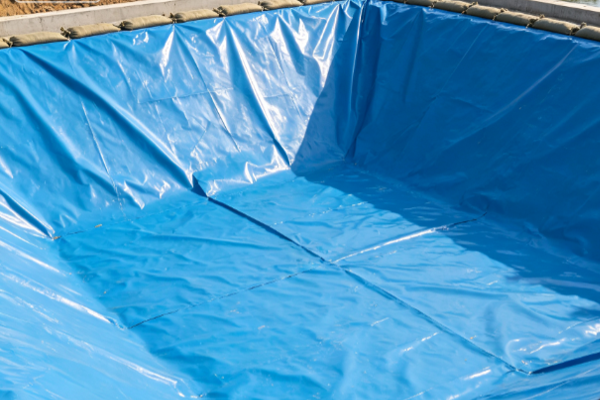
For aquaculture operations, a fish pond is not only a place for raising fish but also an important foundation that affects overall profits. Many farmers find that after using a pond for a period of time, problems such as declining water levels, bottom seepage, and frequent water replenishment begin to appear. These issues may seem minor, but they can affect water quality stability and increase operating costs. Especially for traditional earthen ponds or older ponds, waterproof performance can gradually decrease due to soil structure changes, aging pond walls, and long-term water pressure. Installing PVC waterproof liners can effectively improve pond conditions, reduce water loss, and make aquaculture management easier. PVC and Canvas tarpaulins, with their strong protective performance and durability, have become common waterproof solutions in aquaculture.
During long-term operation, fish ponds are affected by both natural conditions and daily aquaculture activities. Continuous water exposure can change the pond bottom structure, while fish activities, equipment use, and regular cleaning may also cause wear to pond walls. Without reliable waterproof protection, ponds may gradually develop leakage problems, wasting water resources and increasing management pressure. As a result, more aquaculture farmers are upgrading their ponds with waterproof liners to create a more stable farming environment.
One of the biggest challenges of traditional earthen ponds is water loss through the soil. This problem becomes more serious in areas with loose soil or complex underground water conditions. PVC waterproof liners create a protective barrier between the pond water and soil, reducing water penetration and helping maintain stable water storage.
Reduce frequent water replenishment;
Minimize water waste;
Maintain stable pond water levels;
Lower daily management pressure.
By reducing seepage problems, farmers can control pond conditions more easily and avoid the impact of unstable water levels on fish growth.
The pond bottom environment directly affects water quality. Traditional earthen ponds often accumulate mud, leftover feed, and organic waste, making cleaning more difficult. After installing PVC waterproof liners, the pond surface becomes smoother and easier to maintain. The main advantages include:
Reduce soil contamination in water;
Make pond bottom cleaning easier;
Lower water quality management difficulty.
A cleaner pond environment helps farmers reduce maintenance work and improve daily aquaculture efficiency.
After years of use, many fish ponds may develop problems such as cracked walls or weakened structures. Frequent repairs can interrupt farming plans and increase labor and material costs. Adding a waterproof liner provides an additional protective layer and improves overall durability.
Reduce pond repair frequency;
Extend pond service life;
Improve aquaculture facility utilization.
A stable waterproof structure helps farmers reduce long-term operating costs and maximize the value of their ponds.
Different aquaculture methods have different requirements for pond environments. Fish nursery ponds focus more on water quality stability and cleanliness, while adult fish ponds require stronger durability and long-term protection. Choosing unsuitable waterproof materials may affect future management efficiency. Therefore, selecting PVC waterproof liners should be based on farming type, pond size, and expected service period to achieve better results.
Young fish are more sensitive to water quality changes. Whether the pond bottom is easy to clean and whether waterproof performance remains stable can directly affect breeding results. For nursery ponds, waterproof liners mainly need to solve the following issues:
Reduce pond bottom pollution;
Make daily cleaning easier;
Maintain stable water conditions;
Reduce management difficulties.
PVC waterproof liners have a smooth surface, helping reduce soil-related water quality problems and allowing farmers to better manage the fish growth environment.
Adult fish farming usually requires longer production cycles. The pond needs to withstand water pressure, sunlight, and weather changes over extended periods. As a result, material durability becomes an important consideration.
Suitable for long-term water exposure;
Resist outdoor environmental changes;
Reduce leakage risks;
Lower maintenance frequency.
For commercial aquaculture farms, durable PVC liners can improve pond stability and reduce production interruptions caused by pond problems.
Different aquaculture systems have different waterproof requirements. Farmers need to choose materials according to actual applications to avoid problems caused by unsuitable products.
Aquaculture Type | Common Requirements | PVC Liner Benefits |
Fish nursery ponds | High water quality requirements | Easier cleaning and reduced contamination |
Adult fish ponds | Long-term seepage protection | Improved pond stability |
Shrimp and crab ponds | Bottom environment control | Reduced soil impact |
Temporary ponds | Fast installation | Flexible and convenient use |
Selecting the right waterproof liner for each aquaculture application helps improve management efficiency and reduce future adjustment costs.
Many farmers focus mainly on price when purchasing waterproof materials, but material quality, installation conditions, and maintenance requirements are equally important. Fish ponds are long-term facilities, and poor waterproof performance can lead to repair problems that affect normal farming operations. When selecting PVC waterproof liners, farmers should consider material performance and actual application needs to avoid unnecessary expenses caused by unsuitable choices.
Different pond sizes, depths, and usage periods require different liner specifications. Thicker materials are not always the best choice. The right option should match the actual environment.
Select suitable thickness based on pond depth;
Consider long-term usage requirements;
Pay attention to material flexibility;
Match the liner with farming scale.
Choosing the right specifications ensures waterproof performance while avoiding unnecessary material costs and improving overall value.
Outdoor fish ponds are exposed to sunlight, rainfall, and temperature changes for long periods. Waterproof materials need strong environmental adaptability. Important factors include:
UV resistance;
Long-term water exposure stability;
Tensile and wear resistance;
Outdoor service life.
High-quality PVC waterproof liners can better adapt to aquaculture environments and reduce future replacement and repair needs.
The final performance of waterproof liners depends not only on material quality but also on installation methods. Proper preparation is necessary to prevent damage during construction.
Remove sharp objects from the pond bottom;
Ensure smooth installation;
Secure edges properly;
Check connection areas.
Professional installation reduces leakage risks and allows waterproof liners to provide better long-term protection.
Fish pond waterproofing does not end after installation. Long-term maintenance is also important. Since aquaculture cycles are often lengthy, poor installation or insufficient maintenance may reduce waterproof performance. From pond preparation and installation to daily inspections, a complete management plan is needed to ensure stable long-term operation.
For newly built fish ponds, planning waterproof solutions in advance can reduce future renovation costs. Proper design allows the liner to provide better protection.
Design according to pond dimensions;
Prepare the foundation in advance;
Reserve installation space;
Ensure complete coverage.
Good planning helps create a more standardized pond structure and reduces future problems during operation.
For old ponds with leakage problems, rebuilding may require high costs. PVC waterproof liners provide an effective renovation option.
Reduce demolition work;
Shorten renovation time;
Improve old pond utilization;
Lower renovation expenses.
Adding a waterproof protective layer can restore old ponds and increase their farming value.
During long-term aquaculture operations, waterproof liners should be inspected regularly. Early detection and repair of small issues can prevent larger damages.
Check for surface scratches;
Remove debris from the pond;
Prevent sharp objects from contacting the liner;
Repair damaged areas promptly.
Proper maintenance can extend the service life of PVC waterproof liners and keep aquaculture environments more stable and reliable.
Fish pond PVC waterproof liner solutions help aquaculture operators reduce leakage problems, improve water quality management, and lower long-term maintenance costs. Whether for fish nursery ponds, adult fish ponds, or old pond renovation projects, choosing suitable PVC and Canvas tarpaulin products provides reliable protection. NEWSTAR PLASTIC INDUSTRY CO., LTD. supplies high-quality PVC and Canvas tarpaulin products, providing professional solutions for aquaculture, agriculture, construction engineering, and ventilation engineering applications.
