
Hot Keywords:
- All
- Product Name
- Product Keyword
- Product Model
- Product Summary
- Product Description
- Multi Field Search
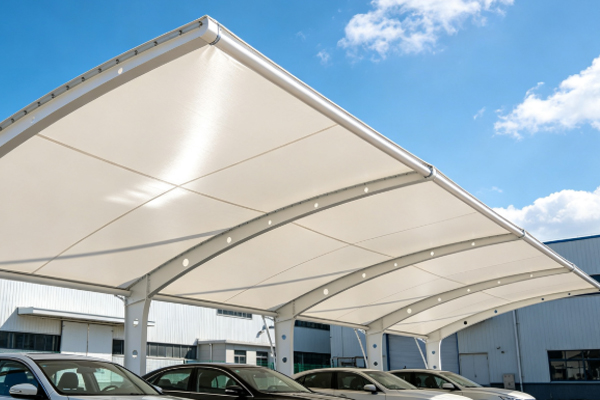
When PVC tarpaulins are used outdoors for extended periods, they may be exposed to sunlight, rainfall, changing wind conditions, temperature fluctuations, dust, and repeated friction. Relying only on the inherent properties of PVC material cannot always ensure stable performance throughout long-term outdoor use. Proper structural design can reduce direct environmental impact on the tarpaulin and minimize damage caused by ultraviolet radiation, standing water, wind movement, and temperature changes. For logistics transportation, warehouse covering, construction projects, agricultural facilities, and outdoor shading, PVC tarpaulins with good weather resistance usually require careful planning of material selection, load-bearing structure, surface protection, drainage, and maintenance accessibility. A scientific design can help the tarpaulin maintain reliable protection and extend its practical service life.
The weather resistance of PVC tarpaulins is closely related to the fabric base, PVC coating, material thickness, and manufacturing process. Products intended for long-term outdoor use should be selected according to local climate conditions. For example, tarpaulins exposed to strong sunlight for long periods require good resistance to ultraviolet radiation and aging. In areas with frequent rainfall, waterproof performance, seam sealing, and flexibility under low temperatures are important considerations.
High-strength fabric provides the PVC tarpaulin with strong tensile support, while the PVC coating creates a continuous protective surface. An appropriate material combination allows the tarpaulin to maintain flexibility while providing good tensile strength, abrasion resistance, and weather resistance. If the material is too thin, prolonged exposure to wind and friction may cause damage more easily. If the material is excessively thick, the product may become heavier and more difficult to install or store. Therefore, the appropriate thickness and structure should be selected according to the actual application.
For different climatic conditions, PVC tarpaulin design can focus on the following material properties:
UV resistance: Helps reduce surface aging, fading, and performance deterioration caused by prolonged sunlight exposure.
Temperature resistance: Allows the material to withstand seasonal temperature changes and reduces the risk of deformation caused by temperature fluctuations.
Water resistance: Helps prevent water from penetrating into the fabric base while maintaining protective performance during long-term use.
Abrasion resistance: Reduces surface damage caused by repeated friction during transportation, installation, and storage.
Tensile strength: Allows the tarpaulin to maintain structural integrity under wind loads and pulling forces.
Choosing suitable materials provides a reliable foundation for the structural design and helps PVC tarpaulins maintain stable performance in demanding outdoor environments.
Outdoor tarpaulins are frequently exposed to wind loads. If the structure is not properly designed, the material may experience excessive movement, while fastening points may be subjected to continuous tension. Repeated stress over time can cause edge tearing, loose eyelets, and seam damage. Therefore, improving weather resistance requires not only durable materials but also an optimized load-bearing structure.
For large PVC tarpaulins, reinforcement tapes, properly distributed fastening points, and suitable support systems can help distribute wind loads. After installation, the tarpaulin should maintain appropriate tension so that the surface remains stable without excessive stretching. For vehicle tarpaulins, airflow and wind pressure generated during transportation should be considered. For permanent shelters, the positions of support frames should be coordinated with the main load-bearing areas of the tarpaulin.
Temperature changes can also affect PVC materials. High temperatures in summer may make some materials softer, while low temperatures in winter can reduce flexibility. The design should minimize excessive bending and localized stress so that the tarpaulin has sufficient flexibility to accommodate temperature changes. Appropriate connection methods can also reduce rigid friction between the supporting structure and the tarpaulin.
A stable structure can reduce the impact of wind, temperature fluctuations, and mechanical stress, helping the tarpaulin maintain a more reliable shape during long-term outdoor use.
PVC tarpaulins exposed to sunlight and outdoor conditions are continuously affected by ultraviolet radiation, dust, and moisture. Surface design should minimize the accumulation of contaminants while reducing direct friction against the material. For tarpaulins frequently used outdoors, suitable surface treatment can improve resistance to sunlight and environmental deterioration.
The edges of a tarpaulin are usually areas where stress becomes concentrated and damage is more likely to occur. Under wind loads, the edges may experience repeated pulling. Without sufficient reinforcement, long-term use may result in curling, tearing, or damage around fastening holes. Therefore, reinforced hems, reinforcement tapes, or multi-layer edge structures can be used to improve local load-bearing capacity.
Eyelet areas also require specialized treatment. Appropriate eyelet spacing helps distribute pulling forces more evenly across the tarpaulin edge and reduces excessive stress at individual fastening points. For large tarpaulins, additional fastening points can be added according to the size and installation method to improve overall stability.
Surface and edge design should also make routine cleaning easier. Dust, sand, leaves, and other contaminants that remain on the tarpaulin for long periods can make cleaning more difficult and affect the appearance and condition of the material. A relatively smooth surface combined with an effective drainage structure can allow rainwater to remove some surface contaminants and simplify routine maintenance.
Rainwater is an important environmental factor affecting the long-term performance of outdoor PVC tarpaulins. If water remains on the surface for extended periods, the additional weight can increase stress on the material and fastening points. Prolonged contact with moisture can also increase the environmental load on the tarpaulin, making effective drainage an important part of weather-resistant design.
PVC tarpaulins can be designed with single-slope, double-slope, or arched structures according to the installation conditions, allowing rainwater to flow along predetermined routes. Large covering areas should avoid obvious low points where water can accumulate. The height and position of support frames should match the tarpaulin shape so that water does not collect around individual fastening points.
Ventilation can also help improve the internal environment of a covered structure. For large storage shelters, equipment protection shelters, or temporary workspaces, excessive heat and humidity may build up inside if air circulation is insufficient. Side openings, ventilation areas, or adjustable curtains can improve airflow.
When designing drainage and ventilation structures, the following points should be considered:
Reduce low areas: Maintain an appropriate surface shape to minimize the possibility of prolonged water accumulation.
Create clear drainage routes: Guide rainwater toward locations that will not interfere with personnel, cargo, or equipment.
Position ventilation openings appropriately: Avoid placing ventilation openings directly on major wind-facing surfaces to reduce the risk of rainwater entering the structure.
Reinforce drainage edges: Strengthen areas where rainwater is concentrated to reduce wear caused by continuous water flow.
Maintain flexible openings: Allow ventilation areas to be adjusted according to weather conditions and actual operating requirements.
When drainage and ventilation structures are properly coordinated, they can reduce the long-term effects of moisture, heat, and standing water on both the PVC tarpaulin and the protected space.
The weather resistance of PVC tarpaulins depends not only on the materials and structure used during manufacturing but also on installation and maintenance practices. Even when high-performance PVC materials are used, uneven fastening, excessive edge friction, or prolonged overstretching can shorten the service life. Therefore, installation and maintenance requirements should be considered during the product design stage.
The fastening system should distribute tension evenly and prevent individual eyelets or connection points from carrying excessive loads. Protective areas can be added where the tarpaulin contacts steel frames, vehicles, or equipment to reduce long-term abrasion. For products that need to be frequently removed and installed, easy-to-operate buckles, straps, and connection systems can reduce accidental damage during installation.
Regular inspection is also necessary during long-term use. Important inspection items include:
Check the surface condition: Look for obvious scratches, cracks, aging, or coating damage.
Check fastening points: Inspect eyelets, straps, hooks, and connectors for looseness.
Check the seams: Make sure welded or heat-sealed areas have not cracked or separated.
Check drainage performance: Observe whether abnormal water accumulation occurs after rainfall.
Check the support structure: Make sure support frames have not become tilted, loose, or deformed.
Cleaning is another important measure for extending weather resistance. Mud, sand, oil, and other contaminants should be removed from the tarpaulin surface in a timely manner. After cleaning, the tarpaulin should be completely dried before folding and storage. When stored for extended periods, PVC tarpaulins should be kept away from moisture, excessive heat, and sharp objects. Proper maintenance can reduce the continuous impact of environmental factors on the material.
Improving the weather resistance of PVC tarpaulins requires careful consideration of material selection, structural stability, surface protection, drainage and ventilation, as well as installation and maintenance. Outdoor PVC tarpaulins need not only good waterproofing and tensile strength but also a suitable structure that reduces long-term damage caused by ultraviolet radiation, wind, rain, temperature changes, and friction. Different applications require different designs based on local climate, installation methods, coverage area, and frequency of use. By combining weather-resistant materials with practical structural design, PVC tarpaulins can maintain more stable performance in logistics transportation, warehouse facilities, construction projects, agricultural production, and outdoor protection applications.
