
Hot Keywords:
- All
- Product Name
- Product Keyword
- Product Model
- Product Summary
- Product Description
- Multi Field Search
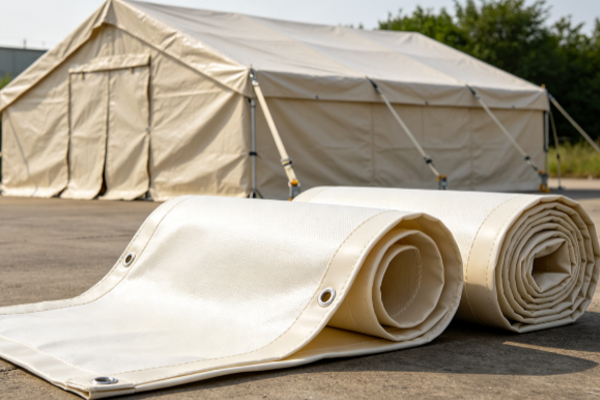
Tarpaulin size design is an important factor in determining product practicality, installation efficiency, and protective performance. Whether it is PVC tarpaulin, cargo tarpaulin, storage tarpaulin, or membrane fabric used for outdoor facilities, the length, width, thickness, and connection methods should be selected according to actual application conditions. A tarpaulin that is too small may fail to cover the cargo completely, while an oversized product can increase installation difficulty, material waste, and fastening costs. As demand continues to develop in logistics transportation, industrial storage, construction, and outdoor facility projects, tarpaulin products are increasingly shifting from standard specifications toward customized designs. By planning the coverage area, reserving fastening space, matching support structures, and optimizing fabrication processes, PVC fabric can meet different covering and protection requirements while providing more flexible tarpaulin solutions.
Tarpaulin dimensions should not be determined simply by measuring the length and width of the object being covered. The installation location, covered items, fastening method, and available operating space also need to be considered. The dimensions of a logistics vehicle's cargo compartment, the floor area of a storage facility, the support height of a building structure, and the shape of outdoor equipment can all affect the final design. For truck tarpaulins, the product needs to cover the top of the cargo and reserve suitable side coverage and fastening space according to the vehicle structure. If the tarpaulin is cut strictly according to the cargo dimensions, problems such as insufficient edge coverage, unsuitable eyelet positions, or ineffective fastening may occur during installation. Therefore, the actual coverage area should be measured accurately before production, while protruding components, support points, and connection locations should also be recorded.
For temporary storage and large outdoor facilities, size planning should also consider space utilization. The tarpaulin needs to cover the target area without creating unnecessary interference with surrounding buildings, equipment, and access routes. Accurate site measurements and structural planning can reduce later modifications and make material fabrication and installation more efficient.
Tarpaulin size selection is closely related to its intended use. Logistics transportation typically requires customization based on vehicle type, cargo compartment length, cargo height, and fastening structures. Industrial storage projects often place greater emphasis on coverage area, support span, and convenient access for loading and unloading. Agricultural applications may require dimensions based on machinery, agricultural supply storage areas, or agricultural product storage zones. Different applications also have different requirements for unfolding methods, edge allowances, and connection structures, making it difficult for a single standard specification to meet every project requirement.
Common tarpaulin size design requirements include:
Vehicle transportation tarpaulins: Determine length and width based on cargo compartment dimensions, cargo height, and fastening points to ensure sufficient coverage and convenient rolling.
Storage protection tarpaulins: Plan the coverage area according to cargo storage dimensions and support structures while balancing protection and space utilization.
Agricultural equipment tarpaulins: Design the product according to the external dimensions of tractors, harvesters, and other machinery to facilitate equipment storage and access.
Construction tarpaulins: Determine specifications based on construction areas, material storage locations, and temporary support structures to accommodate changing site conditions.
Outdoor membrane tarpaulins: Combine structural span, curved shapes, drainage design, and connection nodes when planning dimensions.
Proper size design allows tarpaulins to better match actual application requirements while reducing material waste and additional installation adjustments.
In practical projects, standard tarpaulin sizes may not fully meet specific requirements. Large cargo, irregularly shaped equipment, specialized vehicles, and customized architectural structures often require tailored fabrication. Customized tarpaulins can be manufactured according to the customer's required length, width, coverage height, and structural shape. Eyelets, hems, reinforcement strips, and other connection components can also be incorporated into the design. By planning fastening positions and unfolding directions in advance, tarpaulin installation can become more convenient, reducing the need for on-site cutting or temporary modifications.
Size design should also account for the actual fabrication characteristics of the material. During PVC fabric cutting, heat welding, and seaming, dimensions may need to be adjusted according to seam locations, overlap widths, and edge finishing methods. If a product includes multiple joined sections, the dimensions of each part should be planned in advance to prevent insufficient coverage or uneven stress after installation. For tarpaulins that require frequent assembly and removal, properly positioning eyelets, straps, and operating allowances can also improve daily usability.
Suitable tarpaulin dimensions influence not only coverage but also practical protection. For outdoor PVC tarpaulin applications, the design should take rainwater drainage, wind loads, edge fastening, and material tension into account. If a tarpaulin has a large coverage area but its support points and fastening structure are poorly arranged, sagging, water accumulation, or localized stress may occur during use. Conversely, if the tarpaulin is too small, parts of the cargo or equipment may remain exposed to rain and sunlight.
Large PVC tarpaulin structures generally need to be designed together with their support systems. For example, storage tarpaulins should be sized according to frame spans, column spacing, and roof shapes. Parking shelter tarpaulins need to be designed according to support height, roof curvature, and drainage direction. Material thickness, fabric strength, and fastening methods should also match the design requirements of each environment. Dimensions alone do not determine the waterproofing or wind resistance of a tarpaulin. Overall structural design, material performance, and installation quality also influence the final result.
When purchasing tarpaulins, customers should prepare accurate measurements of the objects to be covered and explain the intended environment and installation requirements to the supplier. For simple cargo covering, the length, width, and height of the covered object may be sufficient. For vehicle tarpaulins, additional information about the cargo compartment structure, fastening points, and opening method should be provided. Large storage or membrane structure projects may require site dimensions, support structure details, and intended operating conditions. Complete information helps manufacturers determine suitable specifications more accurately and reduce dimensional deviations during fabrication.
The following process can be used when selecting tarpaulin dimensions:
Measure the covered object: Record the actual dimensions of the cargo, equipment, vehicle compartment, or site.
Confirm the installation method: Determine whether the tarpaulin will be secured using ropes, eyelets, buckles, frames, or other systems.
Reserve operating space: Allow appropriate fabrication margins for hems, connections, and rolling requirements.
Match the material specifications: Select PVC fabric according to usage frequency, outdoor conditions, coverage area, and expected loads.
Confirm fabrication details: Check welded seams, eyelet positions, edge reinforcement, and finished product dimensions.
Tarpaulin size design requires a reasonable balance between complete coverage, installation convenience, structural stability, and material efficiency. Whether the product is used for logistics transportation, industrial storage, agricultural equipment protection, or large PVC membrane structures, its dimensions should be planned according to the specific application. Professional tarpaulin suppliers can provide standard specifications and customized fabrication services to help customers select suitable lengths, widths, thicknesses, and connection structures. Through accurate measurements, appropriate design, and standardized fabrication, PVC tarpaulin can better adapt to different application environments and provide reliable covering protection for cargo, equipment, and outdoor spaces.
