
Hot Keywords:
- All
- Product Name
- Product Keyword
- Product Model
- Product Summary
- Product Description
- Multi Field Search
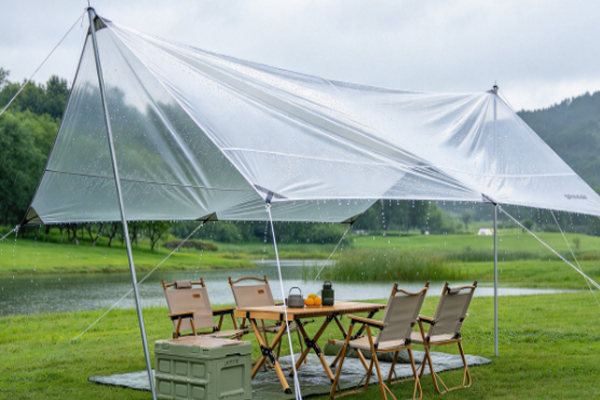
A clear waterproof tarp may look like a simple sheet of material, but outdoor use quickly shows that there is more to consider. Some people worry that a tarp that is too thin will tear easily, while others are concerned about yellowing after long exposure to sunlight or whether the transparency is high enough. Then there is the big question: will it actually keep rain out? For patios, decks, balconies, and outdoor shelters that stay in place for a long time, choosing a cheap clear tarp without checking the details can lead to replacement sooner than expected. The right clear waterproof tarp should be able to handle real outdoor conditions while providing good light transmission, rain protection, and durability.
The service life and performance of a clear waterproof tarp depend heavily on its material. For outdoor applications, it is not enough to check whether the tarp is transparent. Flexibility, waterproof performance, and weather resistance matter too. A well-made clear waterproof tarp should be able to handle everyday sunlight, rain, and repeated installation without becoming difficult to use.
Clear PVC waterproof tarps are a common outdoor choice. They provide reliable waterproof protection while maintaining a certain level of transparency, making them suitable for rain shelters and outdoor enclosures.
Flexibility matters. Tarps need to be folded, stretched, and secured during installation. If the material is too stiff, setup can become a hassle. A flexible tarp is generally easier to handle.
Wear resistance should not be overlooked. Outdoor tarps often come into contact with frames, ropes, hooks, and other structures, with the edges being particularly exposed to friction.
Thickness should match the application. Temporary rain protection, camping, and long-term fixed coverage do not require exactly the same material specifications.
For long-term outdoor use, choosing a clear waterproof tarp with consistent material quality is usually more practical than simply choosing the lowest-priced option. Once a tarp has been installed, replacing it repeatedly also means extra labor and time.
Not necessarily. One of the biggest advantages of a clear waterproof tarp is its ability to keep rain out while allowing natural light in. This is especially useful for patios, decks, balconies, and outdoor shelters. During the daytime, the covered space can remain bright instead of becoming dark and enclosed.
If maximum daylight is the priority, a highly transparent tarp can be a good choice. For balcony side panels or locations where privacy matters, however, extremely high transparency may not be necessary. Areas exposed to strong sunlight for long periods also need some thought, since more sunlight entering the covered space can contribute to heat buildup.
A good clear waterproof tarp is not simply the one that looks the most transparent. The better choice is one that provides the right balance between light transmission, rain protection, and everyday comfort. Having different thicknesses, transparency levels, and size options also makes it easier to match the tarp to the actual installation environment.
Being transparent is only part of what makes a clear waterproof tarp useful. For outdoor applications, the material needs to handle sunlight and rain while remaining practical after installation. This is where material quality and manufacturing details start to make a real difference.
When choosing a clear waterproof tarp for outdoor use, look for:
Reliable waterproof performance: Keeping rain out is the basic job of an outdoor rain cover. A quality clear waterproof tarp can provide dependable coverage for rain shelters, balconies, patios, and temporary outdoor protection.
Good light transmission: The tarp can block rain without making the covered space unnecessarily dark, allowing natural daylight to continue entering.
Weather resistance: Outdoor tarps are exposed to sunlight and rain, so materials with good weather resistance are better suited to long-term coverage.
Reusable construction: Compared with disposable plastic sheeting, a well-made tarp can be installed, removed, folded, and stored repeatedly, making it useful for seasonal or long-term applications.
Flexible sizing options: Outdoor spaces come in many different sizes. Multiple size choices or custom sizing can reduce the need for unnecessary cutting, joining, or awkward installation.
For long-term outdoor coverage, these practical features can be far more important than simply comparing how transparent two tarps look.
Size sounds straightforward, but it is one of the easiest things to get wrong. Many people measure only the area that needs to be covered and forget to leave enough material for securing, tensioning, and drainage. When used as a rain shelter, a tarp generally should not be installed completely flat. A slight slope helps rainwater run off instead of collecting on the surface. Larger tarps also need more attention to frame spacing and anchor points because wind can place greater tension on the material. For outdoor projects with different dimensions or support structures, having a range of tarp sizes makes installation much easier. For larger coverage areas, it is also worth confirming the tarp dimensions, grommet positions, and reinforced edges before installation.
One of the biggest advantages of clear waterproof tarps is their flexibility. They can provide rain protection while still allowing natural light into the space, so the area does not have to feel like a completely enclosed dark shelter.
Patios and decks: A clear rain shelter can help keep rain out while maintaining a bright outdoor space.
Balconies: Clear tarps can be used for overhead or side protection without completely blocking the view.
Outdoor seating areas: They are useful when rain protection is needed but natural daylight is still desired.
Camping areas: A clear waterproof tarp can create temporary rain protection and can be folded away for storage afterward.
Outdoor work areas: It can reduce direct exposure to rain while still allowing daylight into the covered workspace.
For long-term outdoor applications, it is also worth paying attention to reinforced edges, grommet quality, and the fixing method. A durable tarp paired with proper installation can provide a much more stable and reliable setup.
When choosing a clear waterproof tarp for outdoor use, do not focus only on price or transparency. A good product should provide the right balance of waterproofing, light transmission, weather resistance, wear resistance, and practical usability. For long-term outdoor use, pay closer attention to weather resistance and material thickness. If maintaining natural light is important, check the transparency level. For large areas or unusual structures, confirm the dimensions and fixing requirements in advance. Stable material quality, multiple size options, reinforced edges, and reliable grommets can turn a clear waterproof tarp from a simple rain cover into a durable and practical outdoor solution.
