
Hot Keywords:
- All
- Product Name
- Product Keyword
- Product Model
- Product Summary
- Product Description
- Multi Field Search
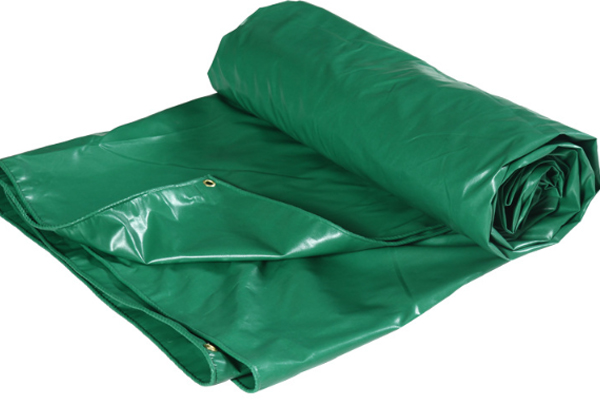
PVC-coated fabric is a composite material made by applying a polyvinyl chloride coating to the surface of a base fabric. It combines the flexibility of textile materials with the protective performance of PVC. As demand for waterproof, dust-resistant, and weather-resistant materials continues to grow in logistics transportation, industrial manufacturing, agriculture, outdoor facilities, and warehouse management, PVC-coated fabric is being used more widely in tarpaulin products. Compared with ordinary textile fabrics, PVC-coated fabric can provide better tensile strength, waterproof performance, and abrasion resistance after specialized processing. It can also be customized in terms of size, thickness, color, and structure according to different application requirements. Understanding the structural features of PVC-coated fabric helps users select tarpaulin products that are more suitable for their actual needs.
PVC-coated fabric generally consists of a base fabric, a PVC coating, and, in some cases, additional functional treatment layers. Different manufacturing processes can affect the material's thickness, weight, flexibility, and mechanical performance. The base fabric mainly provides tensile strength and structural support. Common materials include polyester fabrics, which can provide good dimensional stability and resistance to tearing. The PVC coating covers the surface of the base fabric and helps improve waterproofing, dust resistance, stain resistance, and weather resistance. This allows the fabric to maintain relatively stable performance in humid, outdoor, and demanding working environments. Depending on customer requirements, some products may also receive additional treatments, such as UV resistance, flame retardancy, antistatic performance, or low-temperature resistance.
During production, the PVC coating must form a stable bond with the base fabric so that the material is less likely to experience obvious delamination or peeling during folding, stretching, installation, and transportation. Coating thickness can affect the protective performance and weight of the tarpaulin. A thicker coating may improve shielding and abrasion resistance, but it can also increase handling difficulty. Therefore, product selection should take installation methods, usage frequency, ambient temperature, and external pressure into consideration. A properly designed composite structure allows PVC-coated fabric to achieve a practical balance between strength, flexibility, and ease of operation.
One of the key advantages of PVC-coated fabric is its ability to provide reliable covering protection for cargo, equipment, and temporary spaces. The PVC coating can reduce the penetration of water through the fabric surface, helping protect covered objects from rain, moisture, and damp conditions. Properly processed seams, edges, and fastening holes can further reduce the possibility of water entering through connection areas. For logistics transportation tarpaulins, waterproof performance helps reduce the risk of cargo being affected by rain and moisture. For warehouse and industrial equipment covers, the protective coating can reduce direct contact with dust, dirt, sand, and other contaminants.
The waterproof performance of PVC-coated fabric depends not only on the material itself but also on the tarpaulin design, installation tension, drainage method, and overall condition during use. Large tarpaulins should be installed in a way that prevents obvious water-collecting depressions. Suitable slopes and drainage paths should be planned according to the supporting structure and site conditions. When tarpaulins are used on transportation vehicles, the edges should be securely fastened to reduce gaps caused by wind. For products used outdoors over extended periods, the surface, seams, and fastening points should be inspected regularly. Damaged areas should be repaired promptly to help maintain the protective performance of the tarpaulin.
PVC-coated fabric often needs to withstand friction, stretching, folding, and repeated installation. As a result, the material's abrasion resistance and tensile strength can directly influence product service life. The base fabric provides internal support, while the PVC coating helps reduce the direct impact of external friction on the fabric surface. During logistics transportation, tarpaulins may come into contact with cargo edges, vehicle structures, or fastening ropes. In industrial environments, equipment covers may need to be moved and adjusted frequently. In agricultural applications, tarpaulins may also come into contact with soil, water, and various tools. PVC-coated fabric with good abrasion resistance can better handle these common operating conditions.
PVC-coated fabric can also be customized according to environmental requirements. Outdoor tarpaulins need to withstand sunlight, temperature changes, and exposure to wind and rain. When materials are exposed to ultraviolet radiation for long periods, they may experience aging, fading, or reduced flexibility. Therefore, products with weather-resistant treatments can be selected for outdoor applications. When used in cold environments, attention should be paid to low-temperature flexibility to reduce the risk of cracking during bending and unfolding. For applications involving frequent handling, the balance between weight and strength should also be considered. Excessively heavy materials may reduce installation efficiency. By matching the fabric structure and surface treatment with the application environment, PVC tarpaulins can be used in a wider range of demanding conditions.
PVC-coated fabric offers waterproofing, abrasion resistance, flexibility, and convenient processing characteristics. Therefore, it can be used in various applications that require covering and protection. Different thicknesses, dimensions, and processing methods can be selected according to the covered object, installation method, and environmental conditions. Common applications include the following:
Logistics and transportation: PVC-coated tarpaulins can be used to cover cargo on trucks, freight vehicles, trailers, and transportation equipment. They help reduce the impact of rain, dust, and sunlight on transported goods. After customization according to vehicle dimensions, reinforced edges, metal eyelets, and fastening straps can be added to improve installation stability.
Warehouse protection: In temporary warehouses, cargo storage areas, and loading and unloading zones, PVC tarpaulins can serve as temporary covering materials. They help protect goods from rain, dust, and direct sunlight. For areas that need to be opened frequently, roll-up structures, zippers, or convenient connection components can be incorporated.
Agricultural production: PVC-coated fabric can be used for agricultural machinery covers, temporary crop covering, feed protection, and agricultural material storage. Tarpaulins with suitable waterproofing, weather resistance, and tear resistance can be selected according to seasonal and environmental conditions.
Industrial equipment protection: Factory machinery, construction equipment, production tools, and large components can be covered with PVC tarpaulins during storage or transportation. This helps reduce contact with dust, moisture, and debris. For irregularly shaped equipment, customized cutting and localized openings can be added.
Outdoor facilities: PVC-coated fabric can also be used for temporary shade structures, activity spaces, outdoor partitions, and simple protective structures. By combining the fabric with supporting frames and fastening accessories, different types of structures can be built according to site conditions.
Different applications have different requirements for PVC-coated fabric. Transportation tarpaulins need to emphasize tensile strength and fastening performance, agricultural tarpaulins require good weather resistance, and industrial covers often place greater importance on abrasion resistance and operating convenience. Defining the intended application before selecting material specifications and processing methods can help reduce problems caused by unsuitable product selection.
In addition to its protective performance, PVC-coated fabric offers flexibility during processing and daily management. Manufacturers can cut, heat-weld, sew, punch holes, and reinforce edges according to customer requirements. This makes it possible to produce tarpaulin products suitable for different types of equipment, vehicles, and sites. Standardized processing can improve production efficiency for regular rectangular covers. For special-shaped equipment and architectural structures, customized dimensions, additional openings, and adjusted fastening positions can help the tarpaulin fit the actual application more closely. Colors can also be selected according to corporate branding, the operating environment, and visual management requirements.
Daily maintenance is also important for extending the service life of PVC-coated fabric. After use, dirt, mud, oil stains, and other debris should be removed from the tarpaulin surface in a timely manner. This helps prevent contaminants from remaining on the coating for extended periods. Soft cleaning tools and appropriate cleaning methods can be used to reduce the risk of scratches caused by sharp objects. Before storage, the tarpaulin should be reasonably dry. Long-term exposure to high temperatures, excessive moisture, or direct sunlight should be avoided. During folding and rolling, unnecessary pulling and stretching should be minimized. Fastening components, seams, and edge areas should also be inspected regularly. If minor damage is discovered, it should be repaired promptly to prevent the affected area from becoming larger.
PVC-coated fabric combines strength, waterproof performance, abrasion resistance, and processing flexibility through its composite structure of base fabric and PVC coating. Whether used for logistics transportation tarpaulins, agricultural protection covers, industrial equipment covers, or outdoor covering products, the material specifications and processing methods can be selected according to specific requirements. For tarpaulin buyers, product price should not be the only consideration. The operating environment, material thickness, fastening method, weather resistance requirements, and future maintenance conditions should also be evaluated. Selecting PVC-coated fabric with a suitable structure, stable manufacturing quality, and appropriate application performance can provide more lasting protection for cargo and equipment while helping businesses improve daily operating efficiency.
