
Hot Keywords:
- All
- Product Name
- Product Keyword
- Product Model
- Product Summary
- Product Description
- Multi Field Search
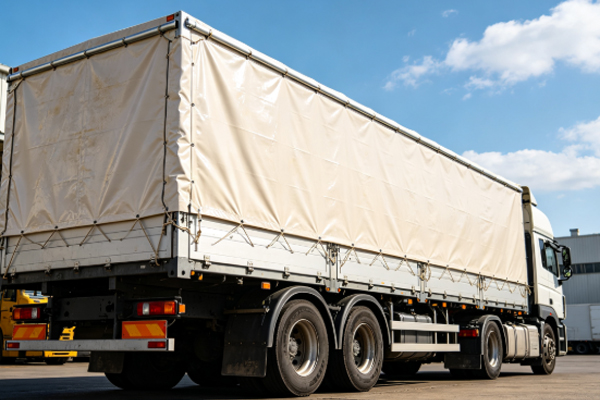
PVC tarpaulin is a protective material made from high-strength fabric combined with a PVC coating or lamination process. It offers excellent waterproofing, sun protection, abrasion resistance, tensile strength, and adaptability to demanding environments. As the demand for protective tarpaulins continues to grow in logistics transportation, industrial storage, construction, outdoor facilities, and agriculture, PVC tarpaulin structural design has developed beyond simple covering solutions. Modern designs focus on safety, practicality, service life, installation efficiency, drainage performance, and wind resistance. A well-designed structure can improve protective performance while making installation, maintenance, and daily operation more convenient. For websites selling PVC tarpaulins, understanding these structural features helps customers select suitable products for their specific applications.
PVC tarpaulins may be exposed to rain, wind, pulling forces, and external friction during use. Therefore, structural stability is an essential consideration during the design process. The size, support method, load-bearing locations, and fastening system can directly affect the performance of the finished tarpaulin. Designers need to select an appropriate shape according to the application environment and distribute loads properly to reduce excessive stress in individual areas.
For large PVC tarpaulins, insufficient support or fastening may cause sagging, water accumulation, or localized stretching. Adding reinforcement tapes, fastening holes, reinforced edges, and connecting components can help the tarpaulin maintain a stable shape after installation. For tarpaulins used outdoors for extended periods, designers must also consider changing wind conditions and the effects of repeated installation and removal. Distributing fastening points properly can prevent excessive stress from concentrating in one location and improve long-term durability.
PVC tarpaulin structural design is not simply about increasing the material size. It requires coordination between the tarpaulin, supporting frame, and connecting components so that the complete system remains stable during extended use.
Different application environments have different requirements for tarpaulin shapes, coverage areas, and installation methods. PVC tarpaulins can be designed as flat covering structures, sloped drainage structures, arched structures, and foldable modular systems. These different designs can be used for vehicle transportation, warehouse protection, temporary buildings, equipment covering, and outdoor shading.
Common structural designs include the following:
Flat covering structures: Suitable for cargo protection, dust prevention, and temporary rain protection. They have a simple structure and are easy to unfold and store.
Sloped tarpaulin structures: A specific slope allows rainwater to flow toward the edges, reducing water accumulation and pressure on the material and supporting components.
Arched structures: Suitable for storage shelters, temporary passages, and large covering facilities. They provide continuous coverage and create a certain amount of usable internal space.
Modular structures: Multiple PVC tarpaulin sections are combined with connecting components to cover larger areas. The system can be expanded or adjusted according to changes in the available space.
The choice of structural design should match the site conditions, installation requirements, and frequency of use. For tarpaulins that need to be moved frequently, the structure should minimize complicated connections and allow workers to unfold and fold the material quickly. For permanently installed tarpaulins, stronger edge connections and support components may be used to improve overall stability.
The edges and connection points of a PVC tarpaulin often experience considerable pulling forces. In environments with strong winds, frequent pulling, or repeated installation, these areas are more likely to experience wear, tearing, or deformation. As a result, edge reinforcement is an important part of PVC tarpaulin structural design. Common solutions include reinforced hems, reinforcement tapes, metal eyelets, and optimized spacing between fastening holes.
Reinforced hems can increase the thickness and supporting strength of the tarpaulin edges, reducing the risk of deformation under tension. Reinforcement tapes distribute localized pulling forces over a larger area and prevent individual fastening points from carrying excessive loads. Metal eyelets make it easier to install ropes, hooks, elastic straps, and other fastening tools. However, the material, size, and installation strength of the eyelets should match the tarpaulin thickness and operating environment.
Connection details can also affect waterproof performance. If eyelet areas, seams, or edges are not properly treated, rainwater may enter through the connection points. Structural design should therefore balance connection strength with sealing performance. For tarpaulins that require long-term rain protection, heat sealing, welding, or specialized sealing treatments can help reduce water penetration through seams and improve protection in challenging weather conditions.
Drainage and airflow have a direct impact on the performance of PVC tarpaulins used outdoors. If a flat tarpaulin does not have a suitable slope, continuous rainfall may create standing water. This increases pressure on the surface and may cause deformation of the supporting structure in severe cases. To reduce these risks, designers may add slopes, drainage directions, or specially designed drainage edges according to the coverage area and site conditions.
For storage shelters, vehicle covers, and temporary workspaces, ventilation is another important design consideration. A completely enclosed tarpaulin space can accumulate heat and moisture during hot weather, affecting stored goods, equipment, or personnel comfort. Adjustable vents, side curtains, roll-up sections, and partially open areas can improve air circulation while maintaining a suitable level of protection.
Operating convenience is also important. PVC tarpaulins may need to be unfolded, folded, moved, and cleaned frequently. If the structure is too complicated, installation time and labor costs may increase. A practical design should provide clearly arranged fastening points, easy-to-operate opening and closing sections, and connection components that do not interfere with one another. For large tarpaulins, slide rails, rolling systems, pull ropes, or sectional structures can help workers complete installation and storage more efficiently.
The structural design of a PVC tarpaulin influences not only its initial performance but also its long-term maintenance requirements and service life. During transportation, storage, or outdoor installation, tarpaulins may be exposed to ultraviolet radiation, rain, dust, temperature fluctuations, and mechanical friction. Therefore, the material thickness, reinforcement locations, folding areas, and seam structures should be arranged appropriately to reduce wear during long-term use.
For applications involving frequent folding, the structure should prevent the same area from being repeatedly exposed to excessive bending. Additional wear-resistant layers or reinforced materials can be applied to sections that frequently contact support frames, vehicle compartments, or the ground. Fastening eyelets, straps, and connecting rings should also offer sufficient durability and allow convenient replacement or repair when necessary.
Daily maintenance should be considered together with the structural design. During use, dirt, sand, oil stains, and standing water should be removed from the tarpaulin surface in a timely manner. This helps prevent debris from accumulating in folds or connection areas. After cleaning, the tarpaulin should be completely dried before folding and storage to reduce the risk of unpleasant odors and mildew. If edge cracks, loose eyelets, or damaged seams are found, repairs should be carried out as soon as possible to prevent minor damage from spreading.
PVC tarpaulin structural design should also account for transportation and storage conditions. For products that need to be transported over long distances, rollable or foldable structures can reduce storage space requirements. During long-term storage, proper folding methods can reduce pressure on the material surface and prevent sharp components from damaging the tarpaulin. By combining material selection, structural reinforcement, convenient installation, and appropriate maintenance, PVC tarpaulins can deliver greater practical value in a wide range of applications.
The key features of PVC tarpaulin structural design include stable support, flexible structural forms, reinforced edges, effective drainage and ventilation, and long-term durability. Different applications require different tarpaulin sizes, thicknesses, fastening methods, and structural configurations. Customers should consider the operating environment, coverage area, installation frequency, and protection requirements when selecting a product. High-quality PVC tarpaulins require not only reliable material performance but also thoughtful structural design to provide stable, safe, and convenient protection.
