
Hot Keywords:
- All
- Product Name
- Product Keyword
- Product Model
- Product Summary
- Product Description
- Multi Field Search
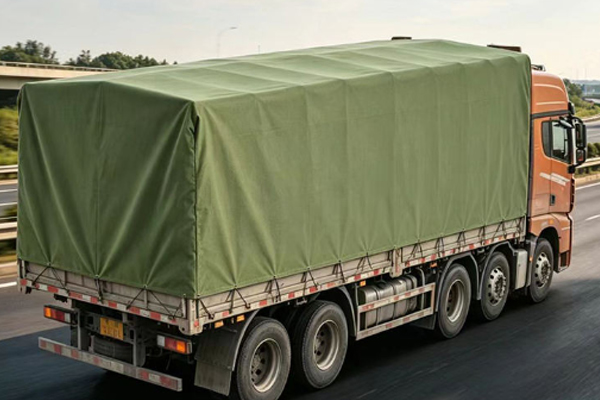
PVC fabric and ordinary canvas are commonly used covering materials in tarpaulins, cargo protection, equipment covers, and outdoor facilities. Although they may look similar, they differ significantly in material composition, surface treatment, waterproof performance, weather resistance, and service life. Ordinary canvas is usually made from cotton, polyester, or other textile fibers and mainly relies on the fabric itself to provide covering protection. PVC fabric, on the other hand, adds a polyvinyl chloride coating to the surface of the base fabric, giving it enhanced waterproofing, dust resistance, and abrasion resistance. When purchasing tarpaulins, users should consider cargo type, application environment, installation method, and frequency of use. Understanding the differences between PVC fabric and ordinary canvas can help buyers select tarpaulin products that better meet their practical requirements.
PVC fabric generally uses polyester or other textile materials as the base fabric. A PVC coating is then applied through coating, laminating, or heat-welding processes to form a protective layer on the surface. The base fabric provides tensile strength, tear resistance, and dimensional stability, while the outer PVC coating improves waterproofing, stain resistance, abrasion resistance, and weather resistance. Depending on application requirements, some PVC fabrics may also receive additional treatments, such as UV resistance, flame retardancy, antistatic performance, or low-temperature resistance. Because of its composite structure, PVC fabric generally has a more compact surface, reducing the possibility of water and dust passing through the material. This makes it suitable for applications requiring reliable covering protection.
Ordinary canvas mainly relies on the interwoven structure of textile fibers. Common types include cotton canvas, polyester canvas, and other fiber-based fabrics. Different types of ordinary canvas vary in flexibility, breathability, abrasion resistance, and moisture absorption. However, canvas without specialized waterproof treatment may gradually allow water to penetrate when exposed to continuous rainfall or humid conditions. Some ordinary canvas products can improve their water resistance through additional finishing treatments, but their performance still depends on fiber type, fabric density, and post-processing methods. Therefore, although PVC fabric and ordinary canvas are both textile-based covering materials, their structural composition and functional performance are different.
The polyvinyl chloride coating on PVC fabric can form a relatively continuous protective layer. When the material is manufactured and processed properly, it can effectively reduce the impact of rainwater, moisture, and dust on covered objects. For freight vehicles, outdoor equipment, warehouse supplies, and construction materials, waterproof performance helps reduce the risk of cargo damage caused by rain, moisture, and environmental exposure. The seams, edges, and eyelet areas of PVC tarpaulins can also be improved through heat welding, sewing, or reinforcement processes to enhance overall covering performance.
The breathability of ordinary canvas can be useful in certain applications, such as temporary covering, decorative purposes, and lightweight outdoor uses that require airflow. However, if ordinary canvas does not receive effective waterproof treatment, long-term exposure to rain may cause moisture absorption, increased weight, and longer drying times. Even after waterproof finishing, its water resistance may gradually decrease due to washing, friction, and prolonged use. PVC fabric is generally more suitable for applications requiring continuous rain protection, dust resistance, and separation from the external environment. Nevertheless, actual performance depends on coating quality, material specifications, seam processing, and installation conditions.
For tarpaulins intended for long-term outdoor use, buyers should consider more than the waterproofing capability of the material. Edge reinforcement, drainage design, and fastening methods should also be checked. A waterproof surface does not necessarily guarantee that the installed tarpaulin will be free from water accumulation or leakage. Appropriate structural design and correct installation also influence the final protective result.
PVC fabric is commonly used in environments where materials must withstand repeated use and external friction. The base fabric provides internal strength, while the PVC coating helps reduce the direct impact of friction, stains, and moisture on the fabric surface. During logistics transportation, tarpaulins may come into contact with cargo, vehicle compartments, ropes, and metal structures. In industrial environments, equipment covers may need to be moved, folded, and unfolded repeatedly. PVC fabric with suitable thickness and reliable processing can meet the requirements of frequent use. Reinforcing the edges, eyelets, and stress-concentrated areas can also reduce the risk of localized damage.
The abrasion resistance of ordinary canvas depends on its fiber material, fabric density, and manufacturing process. Some high-density polyester canvas products also offer good strength and abrasion resistance. However, ordinary textile fabrics may experience fading, mildew, fiber aging, or performance deterioration when exposed to moisture, sunlight, or frequent friction for extended periods. Cotton canvas generally offers good softness and breathability, but it requires greater attention to drying and storage in humid environments. PVC fabric is not completely unaffected by environmental conditions either. Long-term exposure to ultraviolet radiation, high temperatures, low temperatures, or chemicals may also cause aging. Therefore, buyers should select products with appropriate weather-resistant treatments according to the intended environment.
When tarpaulins are frequently used outdoors, it is advisable to pay attention to UV resistance, low-temperature flexibility, abrasion resistance, and tear strength. If the product is mainly intended for short-term covering or indoor partitioning, a lighter material may be selected according to budget, weight, and operating frequency. Matching material performance with actual conditions helps prevent unnecessary costs and avoids using a product that cannot meet working requirements.
PVC fabric and ordinary canvas have overlapping application areas, but their suitable working environments and protection requirements are not always the same. Users can make a selection according to the covered object, climate conditions, expected service duration, and maintenance capabilities. Common applications include the following:
Logistics transportation tarpaulins: PVC fabric is suitable for covering cargo on trucks, trailers, freight vehicles, and containers. It helps reduce the impact of rain, dust, and sunlight on transported goods. Metal eyelets, fastening straps, and reinforced edges can be added to improve installation stability.
Agricultural production and material storage: PVC tarpaulins can be used to cover agricultural machinery, feed, farming tools, and temporarily stored materials. Products with good weather resistance and waterproof performance can be selected for items that remain outdoors for extended periods.
Industrial equipment protection: PVC fabric is suitable for covering machinery, construction tools, production components, and large equipment. It helps reduce direct contact between equipment surfaces and dust, moisture, and debris. Customized cutting and localized openings can be added for irregularly shaped equipment.
Outdoor decoration and temporary partitioning: Ordinary canvas can be used for tent decoration, background fabrics, indoor partitions, exhibition arrangements, and certain lightweight covering applications. Its soft texture and breathability make it suitable for situations where appearance and touch are important.
Warehousing and construction sites: PVC fabric can be used for temporary separation, material covering, and construction-area protection. Ordinary canvas may be suitable for covering tasks that do not require long-term waterproofing. The final choice should depend on rain exposure, dust, friction, and handling frequency.
When an application requires a high level of waterproofing, dust resistance, and weather resistance, PVC fabric is generally more suitable for long-term protection. If the application places greater emphasis on breathability, softness, decorative appearance, or short-term covering, ordinary canvas may also be an appropriate choice. There is no single material that is suitable for every situation. The key is to match product performance with actual operating conditions.
When selecting PVC fabric tarpaulins, buyers should not focus only on the material name and product price. Specific specifications, manufacturing processes, and usage requirements should also be considered. PVC fabric with different thicknesses may vary in weight, flexibility, tensile strength, and abrasion resistance. Lightweight tarpaulins are generally easier to handle and install, making them suitable for applications that require frequent opening or movement. Thicker tarpaulins may be more suitable for long-term covering, heavy-duty cargo transportation, and environments requiring greater abrasion resistance. Users should determine the appropriate material specifications according to the intended application to avoid excessive weight that affects operation or insufficient thickness that reduces protection.
Tarpaulin processing details also deserve attention. Buyers should check whether the edges are reinforced, whether the eyelets are securely installed, whether the seams are smooth, and whether heat-welded areas are properly finished. For large tarpaulins, it is useful to confirm whether additional intermediate fastening points, reinforcement straps, and drainage features can be added. For products that need to be opened and closed frequently, zippers, buckles, roll-up structures, or quick-connect accessories may improve operating efficiency. When customization is required, customers can provide the supplier with the dimensions of the covered object, installation position, application environment, and expected usage frequency. This information helps the supplier develop a more suitable processing solution.
Daily maintenance also influences the service life of PVC fabric tarpaulins. Dirt, oil stains, and debris should be removed from the surface in a timely manner. Sharp objects should be kept away from the coating to reduce the risk of scratches. Before long-term storage, the tarpaulin should be cleaned and dried as much as possible. Excessive pulling should be avoided during folding or rolling. Edges, eyelets, seams, and fastening accessories should be inspected regularly. Repairing minor damage promptly can help prevent the affected area from becoming larger. Through suitable material selection, proper installation, and regular maintenance, PVC fabric tarpaulins can provide stable performance in logistics, agriculture, industrial protection, and outdoor covering applications.
PVC fabric and ordinary canvas have different characteristics in terms of structure, functionality, and application conditions. PVC fabric combines a base fabric with a PVC coating and is generally more suitable for waterproofing, dust protection, abrasion resistance, and long-term outdoor covering. Ordinary canvas offers softness, breathability, and a natural textile texture, making it useful for decoration, lightweight covering, and selected indoor applications. When purchasing tarpaulins, buyers should select the material according to the actual environment, covered object, installation method, and maintenance conditions. Attention should also be paid to thickness, strength, seam quality, and accessory durability. Choosing PVC fabric or ordinary canvas according to the intended application can help control purchasing costs while delivering more reliable performance.
