
Hot Keywords:
- All
- Product Name
- Product Keyword
- Product Model
- Product Summary
- Product Description
- Multi Field Search

When purchasing PVC tarpaulin, buyers may receive significantly different quotations from different suppliers even when the products have the same weight and dimensions. Many purchasers focus on the PVC coating thickness or overall GSM while overlooking the impact of the internal fabric on product cost. In reality, yarn specifications, weaving density, and base fabric strength can all change the amount of material required, which can further affect the load-bearing capacity and durability of the finished product.
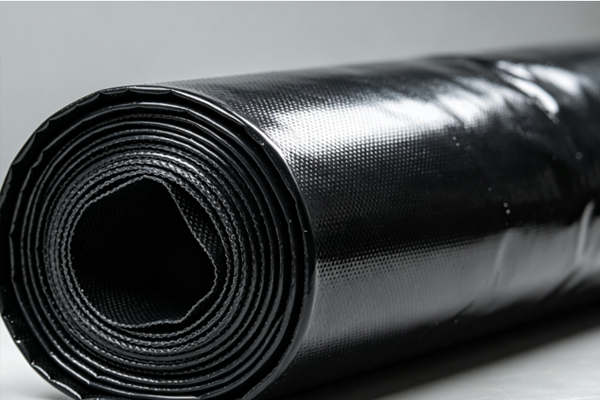
PVC tarpaulin typically uses polyester fabric as the supporting layer, followed by a coating or lamination process to form the complete material structure. The internal fabric plays an important role in determining mechanical performance.
Different fabric configurations involve different strength levels and production requirements, so the specific materials should be checked when comparing quotations.
Industrial PVC tarpaulin commonly uses high-strength polyester fabric.
The strength of polyester yarn affects the tensile performance of the material.
Different fabric specifications can result in different costs even under the same coating conditions.
Base fabric quality can also affect subsequent coating, cutting, and heat-welding processes.
Understanding the internal structure makes it easier to evaluate differences in material quality when comparing the price per square meter.
Yarn thickness is an important parameter for evaluating fabric construction. Common products may use 1000D, 1200D, 1300D, 1500D, or other specifications depending on the intended application.
Higher Denier generally indicates a stronger yarn structure.
Changes in warp and weft yarn consumption affect the amount of material used per unit area.
High-strength configurations are more suitable for covering applications exposed to greater tensile forces.
Looking only at the finished GSM is not enough. Yarn parameters should also be considered to understand differences in the internal material structure.
Fabric construction depends not only on yarn thickness but also on how the warp and weft yarns are arranged. Different products can use different yarn counts and weaving combinations. Fabrics with higher density generally have a tighter structure, although the actual cost also depends on yarn specifications, weaving processes, and the PVC coating.
When two products have similar surface appearances, differences in their internal configurations can become an important reason for quotation gaps. Buyers should break down the specifications when comparing products.
Truck tarpaulins, heavy-duty covers, and similar products can experience tension, friction, and tearing during use, so their material structures generally need to meet higher mechanical performance requirements.
High-Denier yarn can provide stronger basic support.
Reinforced fabrics can improve tear resistance.
Certain load-bearing applications may use structures with additional reinforcement yarns.
For demanding operating environments, focusing only on a low quotation may overlook the load-bearing capacity of the material. Performance requirements should be included in the purchasing calculation.
GSM represents the weight per unit area of PVC tarpaulin. Both the internal fabric and PVC layers contribute to the finished weight, and PVC tarpaulin products on the market can cover a wide range, with some specifications ranging from 200–1500 GSM. Increasing fabric weight raises the amount of material used per unit area. Even under the same total GSM, different combinations of fabric and PVC layers may be used. Changes in material weight can also affect transportation, handling, and installation convenience. Breaking down the total weight into the material structure makes quotation differences easier to understand.
Effective quotation comparison is not simply about placing several unit prices side by side. Buyers need to confirm whether suppliers are offering products with comparable specifications.
GSM indicates the weight per unit area, but it cannot fully describe the internal fabric structure. During purchasing, it is recommended to check the following parameters together:
Base fabric material.
Yarn Denier.
Warp and weft density.
PVC coating structure and thickness.
Keeping these parameters on the same comparison basis makes price differences more meaningful.
Different covering applications face different loads, so not every project needs the highest-grade configuration.
Temporary general-purpose covering can control material input according to the expected service period.
Cargo transportation covers should focus on tensile and tear resistance.
Long-term outdoor applications need to consider weather resistance, UV resistance, mold resistance, and other requirements.
Large-area covering projects should also account for overall load distribution and fabrication methods.
Selecting materials according to actual operating conditions is more practical for controlling purchasing costs than simply pursuing higher specifications.
The more complete the information on a quotation, the easier it is for purchasing personnel to identify actual differences between products. During the inquiry stage, it is recommended to confirm:
Base fabric material and yarn specifications.
Warp and weft density and weaving method.
Finished GSM and thickness.
Surface treatment and functional requirements.
Width, length, order quantity, and processing method.
Including these details in the purchasing requirements also makes specification checks easier during subsequent inspection.
Budget control is not simply about lowering the unit price. The goal is to avoid unnecessary material specifications while preventing excessive wear or replacement costs caused by insufficient performance.
If the internal fabric does not provide sufficient strength, tarpaulin may be more susceptible to damage under repeated folding, pulling, or friction.
Products that are moved frequently should be evaluated for repeated-load performance.
Large-area covers need to account for continuous tensile stress.
Areas with concentrated loads, such as edges and tie-down points, require particular attention to tear resistance.
Considering service life, maintenance frequency, and potential replacement costs together provides a more accurate way to determine whether a quotation is genuinely economical.
Not every project requires a thick, high-strength structure. Excessively high material specifications can also increase weight and purchasing costs.
Lightweight applications can use fabric configurations appropriate to the intended use.
Products that are installed frequently need to balance strength with handling weight.
Long-distance transportation should also account for roll weight and loading efficiency.
Matching material performance to working conditions helps maintain a practical balance between durability and budget.
The purchasing cost of PVC tarpaulin ultimately depends on the complete material structure and order conditions, with the base fabric being one important component. For buyers, a valuable quotation should correspond to clear requirements for yarn, weaving, weight, thickness, surface treatment, and processing rather than providing only a price per square meter. Newstar Plastic Industry Co.,Ltd. can provide customized PVC tarpaulin solutions based on the customer’s operating environment, performance targets, dimensions, and order quantity, helping match suitable fabric structures and finished-product configurations to actual project requirements.
